from one dream
to another . . .
butterfly
by Chen-ou Liu (Canada)
Modern Haiku, Vol. 41:3, Autumn 2010

tomorrowthe President will tweetthe sun will riseby Howard Lee Kilby (USA)Haiku Page, Issue 9, 2018
Those of you who’ve been writing haiku for a long time will remember “Write like Issa: A Haiku How-To” by Professor David G. Lanoue, a former president of the Haiku Society of America. The book was published in 2017.
Great news! It’s now available as an audiobook. You can take it on a road trip this summer, enrich your haiku studies, and also enjoy your solitary time driving. Don’t miss this valuable resource!
For those of you who are beginning haikuists, Kobayashi Issa, (1763-1828), was a fabulous master of Japanese haiku. Lanoue’s instructional book offers six lessons on how to write haiku, based on examples from Issa and from modern poets who follow his creative path. I especially enjoyed Lesson 3, “Comic Vision, Cosmic Jokes.”
As Lanoue states in the book’s Introduction, “So human, so compassionate, so insightful; Issa has a lot to teach poets today . . . To write like Issa means writing tenderly about one’s fellow creatures, human, and otherwise. It means writing with an attitude of childlike perceptiveness, keeping one’s mind and heart wide open to the universe and its infinite surprises.”
Besides this audiobook, don’t miss Lanoue’s valuable website where he maintains the haiku of Issa. He has translated more than 10,000 of Issa’s poems. It is a must reference for all:
http://haikuguy.com/issa/new.html
Finally, if you’d like to correspond with Lanoue and ask questions about his work, you may email him: david1gerard@hotmail.com
—————————————-
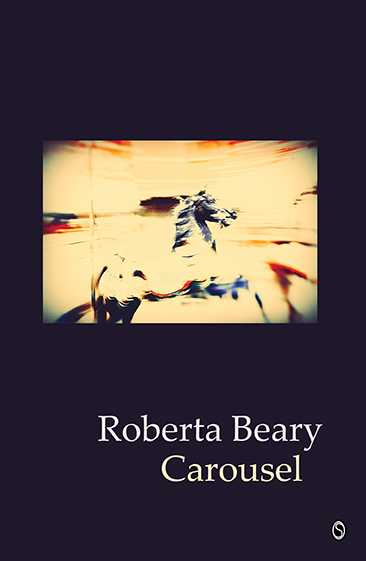
Don’t Miss This Book: hot off the press, by Roberta Beary (USA/Ireland)!
Carousel is the latest haiku treasure by Roberta Beary, well-known global haikuist!
As Snapshot Press describes Carousel:
A natural follow-up to the groundbreaking and hugely successful The Unworn Necklace, by Roberta Beary, Carousel is even more compelling: darker, deeper, yet similarly charged with moments that simultaneously break the tension and twist the narrative.
Further praise:
Masterfully weaving haiku moments into a compelling narrative, Carousel captures the arcs of family relationships through flashes of insight that flare in our memories . . . it is a book to read again and again.
—Timothy Green, Editor of Rattle
Here are just a few samples of Beary’s masterful haiku found in Carousel. Every other poem is centered to facilitate WordPress formatting:
born this way . . .
the orientation
of winter stars
mother’s day
she puts me
on hold
morphine drip
my father asks me
for more time
meteor shower your head on my shoulder
polyphonic rain the life in front of me
Published by Snapshot Press (UK)
Softcover
96 pages
ISBN 978-1-903543-57-3
Copyright 2024
For ordering information, with global distribution, contact the publisher, Snapshot Press:
https://www.snapshotpress.co.uk/books/carousel.htm
We went back to press for more copies of these two popular books!
Haiku and Senryu: A Simple Guide for All and Ripples of Air: Poems of Healing
Haiku and Senryu: A Simple Guide for All has launched the careers of thousands of haiku poets, and aided teachers! If you write haiku and senryu, you’re most likely serious about getting them published and improving your skills. You need to write the best poems you’re capable of. And, if you’d like to teach haiku and senryu at any level, to adults and students alike, you’ll need guidance. Having the right tools are essential!

Ripples of Air: Poems of Healing: “A wonderful, universal book and a great gift for all adults and teens. It beckons us to write in order to heal. It should be in every therapist’s office. The author gives us the tools and encourages us to write the lyrics of our own lives. It’s soothing and revealing. We are taken down the paths of nostalgia, and through the stages of our lives, the seasons in nature, matters of the heart, our work, our art, and the beauty that can be found in solitude.”
~ Rita Yager, Award-Winning Poet

Reach us at: c-books@hotmail.com with ordering questions.
If you buy from the author, each book retails for $19.95. (Shipping to one U.S. address is $4 for one or two books.) As an alternative, please see instructions at the end of this post for purchasing through our trusted ebay distributor in Winnetka, IL.
Below are just some of the outstanding reviews of both books:
Thanks to all who’ve taken the time to read all seven of my books and to comment through the years. It’s much appreciated. And thank you for reading this blog that continues to gain in popularity worldwide with global poets – from 61 countries!
Keep writing with resolve to get more published. Most of all, don’t hide in the shadows with your work! Get your work published in respectable journals. You can, with the confidence these books will give you.
Best Wishes,
Charlotte Digregorio
Note: Charlotte Digregorio is a retired Writing and Foreign Language Professor, winner of 81 poetry awards, and a four-time nominee for Pushcart Prizes. She has more than 1,000 poems in print and writes/publishes 16 poetic forms. Digregorio has organized poetry conferences throughout the country, and speaks and gives workshops at national conferences. Her popular solo exhibits of healing poetry/art are featured at libraries, corporate buildings, hospitals, galleries, and park districts, among other venues.
Haiku and Senryu: A Simple Guide for All (232 pages)
This is the book that has launched the success of thousands of haiku/senryu poets and teachers. It teaches the nuts and bolts of writing and publishing haiku/senryu, and offers effective methods of teaching classes and workshops at all levels.
Read these fabulous reviews by acclaimed authors and haikuists, and those appearing in significant journals!
An altogether brilliant work that must be read by anyone with so much as a passing interest in haiku. Charlotte Digregorio has penned a masterpiece! She has written the definitive guide to one of poetry’s most fascinating genres. This work belongs on the bookshelf of any poet who is serious about writing the kind of haiku that editors want to publish.
-– John J. Dunphy, Author and Poet, Touching Each Tree
This book is overall the best one out there on the subject. The amount of information is extraordinary and exceeds that found in any other book. In particular, the commentaries on selected poems are very good, intelligent, and sensitive, and really place keys into the hands of readers for unlocking the mysteries and joys of haiku literature–from its roots in Japan to its present robust evolution in English and other languages.
-– Michael McClintock, Award-Winning Author/Editor of Haiku & Tanka
Former President of The Tanka Society of America
If a book about haiku inspires the reader to create haiku, then Charlotte Digregorio’s haiku and senryu guide has done its job bountifully. Digregorio calls this “A Simple Guide for All” and she isn’t kidding. Her basic instruction simplifies the process of writing haiku without sacrificing the beauty and the pleasure that are essential. The examples of well-known haikuists shimmer with perfection! If you are interested in pursuing this lovely, subtle art form, THIS is the guide you need. Fantastic guide! I can’t believe how much I learned.
-– Robin Stratton, Editor, Boston Literary Magazine
Haiku and Senryu: A Simple Guide for All is exactly what it says it is: a way into the reading, writing and publishing of the world’s favorite genre. Premised on the idea that one doesn’t need to be a professional poet to enjoy it, Haiku and Senryu will inform you on why poets and non-poets alike love the genre; how to read them for maximum enjoyment; where they came from; how to organize them; and how to get them into print and other people’s heads. Whether a newbie or a seasoned veteran, you’re sure to come away with a deeper appreciation of the genre. And it’s also a considerable anthology of some of the best English-language haiku to be found.
– Jim Kacian, Founder, The Haiku Foundation
A strong overview of haiku. A wealth of material on how to introduce and teach haiku to children, college students, and interested adults. For busy teachers, the material will make it easier to provide guidance to their students. Any teacher would be thrilled for the helpful guidance, examples, and tools for presenting the form to the next generation. The pain and work involved in creating one’s own lesson plans is gone with the author’s well-honed presentations.
The bibliography also contains a wealth of material. Buy a copy for teachers, students, or interested poets and just tell them to read it. This volume will not steer them wrong, and gives any reader something with meat to hang their hat on while they discover or further explore haiku. It will remain on my shelf.
– Mike Rehling, Book Reviewer, United Haiku and Tanka Society
Marvelous book! Marvelous insight. I truly enjoyed this book, being wonderfully surprised by the new information I didn’t know. The chapter on teaching haiku was especially great, since I’ve taught it, but by a different method. And, Charlotte Digregorio’s haiku often evoke a chuckle of wry recognition or stop you dead in your tracks from awe. She seems well acquainted with the quotidian’s variety of her days, from homeless folk, to nature’s evocation and to loss and sorrow.
–– Donna Bauerly, Professor Emeritus, Loras College
An energetic and comprehensive guide by a prolific writer and educator with insightful perspectives and a generous sampling of published haiku and senryu. This practical guide is delivered in a relaxed, conversational tone so that the lessons and examples are informative and easily accessible. Extensive appendices and bibliography.
– Frogpond, Journal of the Haiku Society of America
This book will hook the beginning reader and leave them wanting more. The book demystifies the genre. It offers haiku that are accessible and doable. The “Getting Published” section offers some good tips on submitting to and building a relationship with editors. The large reference section with bibliography of educational books, anthologies, collections, journals, and websites will be of great value to beginning readers.
– Paul Miller, Editor of Modern Haiku
I honor the work Charlotte Digregorio has done on behalf of English-language haiku in Haiku and Senryu: A Simple Guide for All. She has a gift for writing clearly, concentrating on what matters beyond passing controversy. As for her own fresh and gritty poems, Digregorio has the courage to face the truth about love, loss, aging, birth/death and the upside down nature of life—the full catastrophe. Expect to be challenged and invigorated.
– Dr. Robert Epstein, Psychologist
Author, Checkout Time is Noon: Death Awareness Haiku
A couple of the many sterling qualities of Charlotte Digregorio’s haiku include perceptive observance of natural phenomena and penetrating insights into human nature, frequently with a delightful, wry humor in the latter category, along with deep compassion in others.
– Robert Spiess, Former Editor of Modern Haiku
Anyone can benefit from this book’s simple, clear advice. Digregorio offers time-tested, yet fresh and flexible pedagogy–actual lesson plans for those who wish to teach haiku. Intermediate and advanced practitioners will benefit from reminders of simple concepts long forgotten or never learned. We are given new ways to think about the poetry we read.
– Speed Bump Journal
Offers excellent advice on haiku writing. It’s a great book and has helped many of us in
our haiku journey, and doubtless will for many years to come.
– Andy McLellan, UK Poet and Author, birth/stones: Selected Haiku and Haibun
Ripples of Air: Poems of Healing (236 pages)
Terrific reviews below:
Ripples of Air: Poems of Healing, a reference book, will inspire you to put your thoughts on paper and write expressive long and short poetry including 14 forms: poems such as cinquain, etheree, acrostic, sonnet, free verse, limerick, and the Japanese forms of tanka, haibun, haiku and senryu sequences, among others. Everyone needs healing. Writing poems about your hardships and struggles often helps to alleviate life’s pain and hurt.
Benjamin Franklin Awards (2021): Independent Book Publishers Association
Life in all its aspects flows through Charlotte Digregorio’s buoyant poetry collection. For its healing and inspirational qualities, this is a book to keep and reread frequently. It inspires enhanced living and writing. Excellent!
– Judge #1
This book is a very easy and pleasurable read. I read every poem with delight in about six days. (236 pages). There are lines in the poetry that if they were fireworks would light up the night sky. This book is that good. The introduction is a marvelous bit of writing, explaining the author’s view on poetry, and about the title’s meaning. All through the book, when each new section is about to unfold, there is a prose explanation of what one is about to encounter. These preludes to the sections are one of the best features of the book.
– Judge #2
—————
Ripples of Air: Poems of Healing comes when healing is in even greater demand than usual. In this book, we not only get a well-written poetry collection that promotes healing, but a how-to guide for writing poetry that aids healing. As I read it, I often paused to implement Digregorio’s suggestions, jotting down poems of my own, and filled several pages. The author is particularly well known as an authority on the Japanese forms of haiku and senryu, and many of the poems in this book follow them. Others are in free verse and a dozen other forms. The collection is structured into sections containing poems about various subjects you can consider writing about. Each section is introduced by a page of prose that includes the author’s sage comments on why the subject is relevant and how the poems influence healing. The poems and writing advice are clear, accessible, and beautifully lyrical. Her point is: look, you can do this. I highly recommend this book.
– Richard Allen Taylor, Author of Armed and Luminous
Book Reviewer, The Main Street Rag
I highly, highly recommend this book! I read a lot of how-to-write poetry books, but this is unique because it shows would-be poets like me the “why” of writing poems. For those who want to write the best poetry we are capable of, this collection encourages us to look for and create beauty, strength, and healing. Many times during the reading of this book, I put it down and wrote a few lines of my own. I read several of Digregorio’s poems out loud, luxuriating in the evocative language and the emotional effect it had on me. Her haiku is particularly inspiring and she is a master at it. I love this book. It’s not just a collection of poems, but thoughtful essays about how poetry can heal. There are a lot of lines I would like to quote (or pretend I came up with). I love the imagery.
– Robin Stratton, Editor, Boston Literary Magazine
This book is different from any poetry book I have reviewed. We need this book! Who among us has not needed healing? Who among us has not spent time in the cave of despair? Who among us has not needed an outlet for anger or loss? This is great poetry, mature craftsmanship, written in an accessible style for all to savor. It’s easy to apply these poems to daily life. A professional observer, Digregorio sees and feels everything more deeply. She reveals her sensitivity to the human condition. The volume contains something for everyone: from compact oriental forms, to superbly-crafted sonnets, to the little known etheree, to fun forms such as acrostics and limericks, free verse and more.
Exhaustive Appendices: More than a collection of poetry, the author offers practical, hands-on support for beginning and experienced writers. As poets, we also need to promote and sell our poetry, our books, and the author helps get us off the sidelines and into the promotional game. Treasures to be unearthed include multiple lists of publications that publish poetry; ideas for general print/broadcast media that feature poets; and ideas on types of associations, organizations, and businesses that promote poets through awards, interviews, readings, speaking venues, workshops engagements, and exhibitions of their work. This book has given me a real education.
– Michael Escoubas, Editor, Quill and Parchment
Digregorio’s poetry is healing, gets you through tough times, and saves lives. In reading it, we find an encouraging and peaceful way to live. Nuanced by childhood memories of oceans and jagged monoliths, of black bear and elk, she shares through reflection and meditation, poems with a spaciousness that speak of acceptance and gratitude for what is. She is like the sculptor in one of her poems, “creating equilibrium and harmony.” She reaches out and invites the reader to join her in solitude, share thoughts, and observations. Ultimately, there is a sense of community, of knowing we aren’t alone. There’s an exuberance of life here that cannot help but touch you. It is a book you can go back to time and time again.
– Mary Jo Balistreri, Poet and Author, Still
Fascinating tome–the perfect fit for this time in history. Soothing and peaceful. The author balances different poetic forms that contribute to a melodic, musical timbre. I marked many pages as my favorite poems–far too many to list here. Gorgeous words describing the natural world and her insightful memories in the “Nostalgia” section. Her poems wend their way through the maze of life events and experiences, healing in their warm, lyrical beauty.
– The Rockford Review, Sally Hewitt, Editor
The bumper sticker on my car reads: “Nature: Cheaper than Therapy.” As an adjunct to nature’s treatment plan, I would prescribe Charlotte Digregorio’s Ripples of Air: Poems of Healing. Her imagistic poems wind through diverse relational and emotional terrain, and never lose touch with the natural healing qualities of acceptance, wonder, gratitude, and harmony.
– Mike Stinson, Psychotherapist, Poet & Author, extra innings
What a treasure and a wonder from a mightily accomplished author. I always turn to this book with anticipation and peace in my heart, looking forward to the author’s life insights. A ponderous book. I am giving it the daily reading that the inspiring poems call out for, a page or two a day with meditative thought for the author’s many layered gifts of creativity. I love the titles of the multi-themed chapters. I am delving into this clear pond of healing, the book’s healing messages.
– Donna Bauerly, Professor Emeritus, Loras College
An affecting collection. Charlotte Digregorio finds lyricism in solitude, finds reason to celebrate and transform into art the trifles in our gritty lives. These are poems of great skill, poems with a generous heart by a writer who cherishes the luminous particulars of every moment.
– Marsh Muirhead, Poet and Author of last night of the carnival
Award-winning poet Charlotte Digregorio offers readers an array of poems that delve deeply into the external, her Midwest surroundings, and the internal, the nature of her creativity. Digregorio’s delectable collection is one to be savored again and again.
– Roberta Beary, Poet and Author of The Unworn Necklace
The poems of Charlotte Digregorio possess a clarity of vision one seldom finds in contemporary verse. The images she creates are vibrant and alive. We Baby Boomers identify with her all too well.
– John J. Dunphy, Poet and Author of Touching Each Tree
We are blessed with this work! This is a comforting, much appreciated companion in these difficult times. The book responds to so many of the themes and issues that are central to my life experience. It sustains, and I am thankful. I hope this book makes its way to many people in these sad times. It provides shade from the glare of events.
– David Eyre, Educator and Author, the nothing that is
Charlotte Digregorio has the all-too-uncommon ability to put the reader in the poet’s place. One does not read, so much as experience her poems. Closing my eyes, many of these poems could have been memories from my own past. These very personal poems become personal to the reader. The poet uses words as her brush, and all senses are stimulated.
– Ignatius Fay, Poet and Co-Author of Breccia
This is a self-help book that is the pathway to finding peace. The author’s healing poems speak to us and are especially timely now.
– Winnetka-Kenilworth Living magazine (Illinois)
This elegantly designed book offers readers an eclectic mix of poetry styles to suit any and every mood. Here, you may find your senses soothed, or stimulated by the natural world. There, you might find yourself immersed in memories, or daydreams about the future. This writer has walked in our shoes, and her words entice us to take the first steps along the poetic path to healing.
– Debbie Strange, Canadian Poet and Author of The Language of Loss
“Ripples of Air: Poems of Healing” is a book worth reading, appreciating, and immersing yourself in, like sacred Ganges water. Quite simply, through the author’s glorious poems and prose, the latter introducing each new section in this book, we understand that “poetry heals.” It’s a mantra Digregorio lives by, and strives admirably to pass along to those she helps, inspires, and mentors, and to communicate to audiences empathetically and instructively when she performs in public places.
Digregorio’s many poetic forms throughout “Ripples of Air: Poems of Healing,” including sonnets, cinquains, free verse, tanka, and haibun, are absolute achievements of artistry worth learning from. I highly recommend your reading “Ripples of Air: Poems of Healing” at your soonest opportunity, and also buying it as a gift.
– Jerome Berglund, Author and Award-Winning Poet
Charlotte Digregorio is a much-published and much-honored poet. The approaches to writing she shares in this collection prove useful for those who seek inspiration and for those who give writing workshops.
– Maxianne Berger, Book Review Coordinator, Haiku Canada Review
Your alternative to purchasing these books domestically and internationally, is to order each from our reliable Winnetka, IL (USA) ebay distributor:
watercolor
into wet spring blossoms
i dip my brush
by Rick Daddario (USA)
19planets.wordpress.com. April 7, 2023
Louise Carson of Canada has authored a generous and very thoughtful collection of haiku and senryu titled The Truck Driver Treated for Shock. Carson is a contributor to this blog, and a prolific writer with fifteen books published in poetry, mystery, and historical fiction.
Below are five of my favorite poems from Carson’s collection. It is published by Yarrow Press in Quebec, copyright 2024. I have centered every other poem to accommodate WordPress’ formatting.
seaweed strand
wrapped around my finger
Pacific wedding
planting bulbs
I wake
the sleeping toad
winter’s blue shadows the long drive home
city park needles on needles
reading Austen again
I feed
my inner woman
If you have questions about this book or you’d like to purchase it, you may contact the author at louise_m_carson@hotmail.com. Don’t miss this book!
sleigh ride
the road ahead shimmers
in moonlight
by Marta Chocilowska (Poland)
The Haiku Foundation January – April 2018
https://www.thehaikufoundation.org/renkuarchive/2018_sleighride.pdf
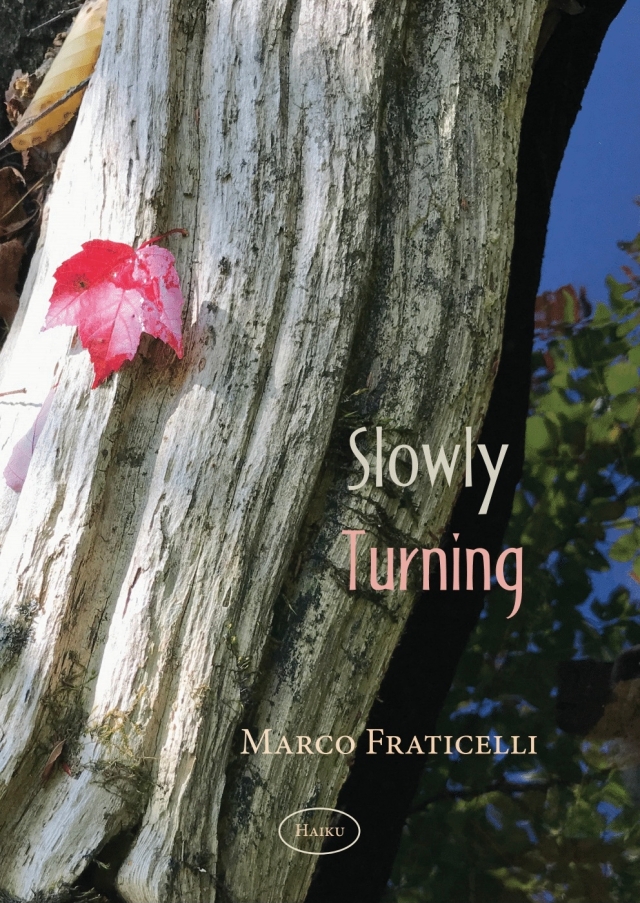
According to the author, Slowly Turning is a collection of the best haiku selected from the thousands that Marco Fraticelli has written in the last 50 years. Fraticelli is a longtime editor and author who regularly contributes to “The Daily Haiku.” Don’t miss this haiku collection!
(Editor’s note: I have centered every other haiku for the sake of WordPress formatting.)
remembrance day
a rabbit’s foot
on the rearview mirror
butterflies
wasting my time
writing haiku
blue moon
she sleeps
with her wristwatch on
the school caretaker
sweeps up
valentines
lovingly placed
by the open window
the caged canary
This book is published by Yarrow Press in Canada ~ Copyright 2024
For ordering information, contact acleuck@gmail.com
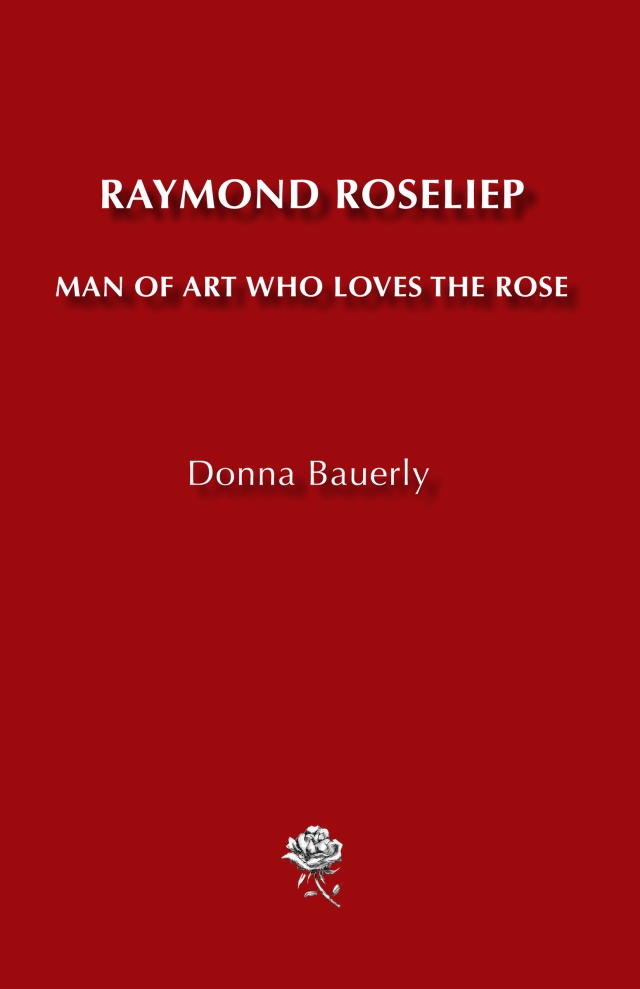
Raymond Roseliep: Man of Art Who Loves the Rose is one of the most thoroughly-researched biographies I have ever read. It’s a classic book by Donna Bauerly, scholar and contributor to this blog.
The book contains such a wide sampling of comments from Raymond Roseliep’s colleagues, students, friends, poets, and literary critics. It is a must-read book for anyone who is interested in the history of haiku in the U.S., its luminaries, and how Roseliep influenced the form. It’s just been re-released by The Haiku Foundation in an expanded edition with a comprehensive index.
I knew very little about Roseliep until I read this book, written by Bauerly, haiku poet and Professor Emeritus at Loras College. The book is about Roseliep’s haiku accomplishments and writing of longer poems. He wrote in an era when the American public had heard little about the haiku form.
Bauerly gives us an inside look at the complexity of Roseliep’s life from childhood through adulthood as a priest and professor-author-poet colleague of hers. It’s fascinating to read of the connections Roseliep had made in the general poetry world with Big-Name poets of other forms, thereby allowing the form to be recognized and understood by them.
Roseliep’s poetry that Bauerly includes are beautiful examples of his imagery and love for haiku. She even writes of his erotic haiku, that comes as a surprise, as he was a priest. Roseliep’s awards and publishing history are meticulously- researched.
The Appendices are exhaustive with a comprehensive index, the latter written by Mary Stevens, a regular haiku contributor to this blog.
Don’t miss this book! Any poet serious about haiku and its history must take the time to read, appreciate, and delight in Bauerly’s masterful work. This book is available through The Haiku foundation, https://thehaikufoundation.org/publications/ and through Amazon.
Learn all about Lenard D. Moore, longtime poet and professor, regularly featured on this blog! This book will be released in November, and is edited by Professor John Zheng, also a poet featured on this blog.
seed potatoes –
the farmer’s story
takes root
by Bonnie J Scherer (USA)
Akitsu Quarterly Spring/Summer 2024
all the way from Paris!–
but at the homecoming
she is who she was
by Michael McClintock (USA)
Modern Haiku, Vol. XXXII, No.2, Summer 2001
punishment
the smell of old shoes
in the locked closet
by Roberta Beary (USA/Ireland)
Taboo Haiku Avvison Press, 2005
7th inning stretch
a baby reaches
for the moon
by Roberta Beary (USA/Ireland)
moonset 2010, Final Issue – ed. 6/#1
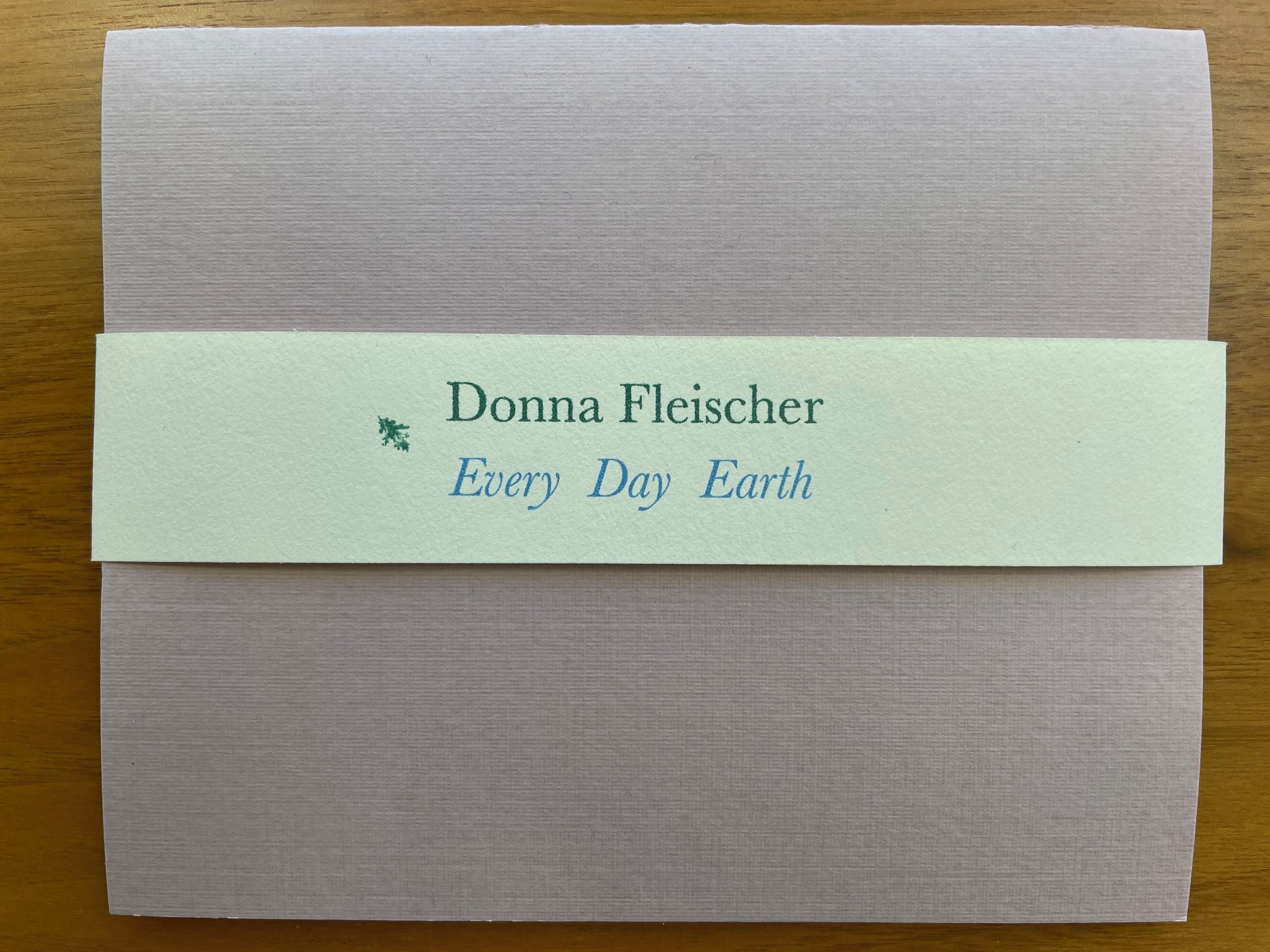 Longtime Poet Donna Fleischer has just published Every Day Earth, a selection of 40 haiku, “an admixture of traditional and experimental, previously published, and new short poems.” The chapbook is formatted with double foldout scrolls with covers banded. Fleischer is a regular contributor to this blog. Don’t miss this book!
Below is a sampling of poems the author has provided:
late winter –
dragonfly world
of a snowflake
shade grown tobacco –
some follow torn circles
of light
snowed in –
the cat & i
play mouse
sunlight
through ladybug’s wings
October warmth
by Donna Fleischer (USA)
Published by Longhouse Publishers, the attractive chapbook is also available from Author Donna Fleischer. For more information, contact her at dfleischer8@gmail.com .
autumn twilight
the shadow of a raven
behind me
by Eufemia Griffo (Italy)
Change, BHS Members’ Anthology, 2023
autumn beach
an abandoned shell necklace
on the shore
by Eufemia Griffo (Italy)
Hedgerow, #144, 2023
autumn sea
the seashell still filled
with sunlight
by Eufemia Griffo (Italy)
Scarlet Dragonfly Journal, September 2023
almost dawn
a commuter follows
a lone star
by Eufemia Griffo (Italy)
Autumn Moon, 6.2, 2023
spring rain . . .
a straw hat
in my hand
by David He (China)
Wales Haiku Journal, Spring 2022
this silenceas if the other silenceweren’t enoughby Mike Dillon (USA)Modern Haiku, Vol. 44.1, Winter-Spring 2013
muddy furrows
i let my mind wander
to the horizon
by Tom Clausen (USA)
tomclausen.com, March 26, 2024
earth day
the knell
of cherry blossoms
by Donna Fleischer (USA)
Honourable Mention
Vancouver Cherry Blossom Haiku Invitational , 2013
We went back to press for more copies of these two popular books!
Haiku and Senryu: A Simple Guide for All and Ripples of Air: Poems of Healing
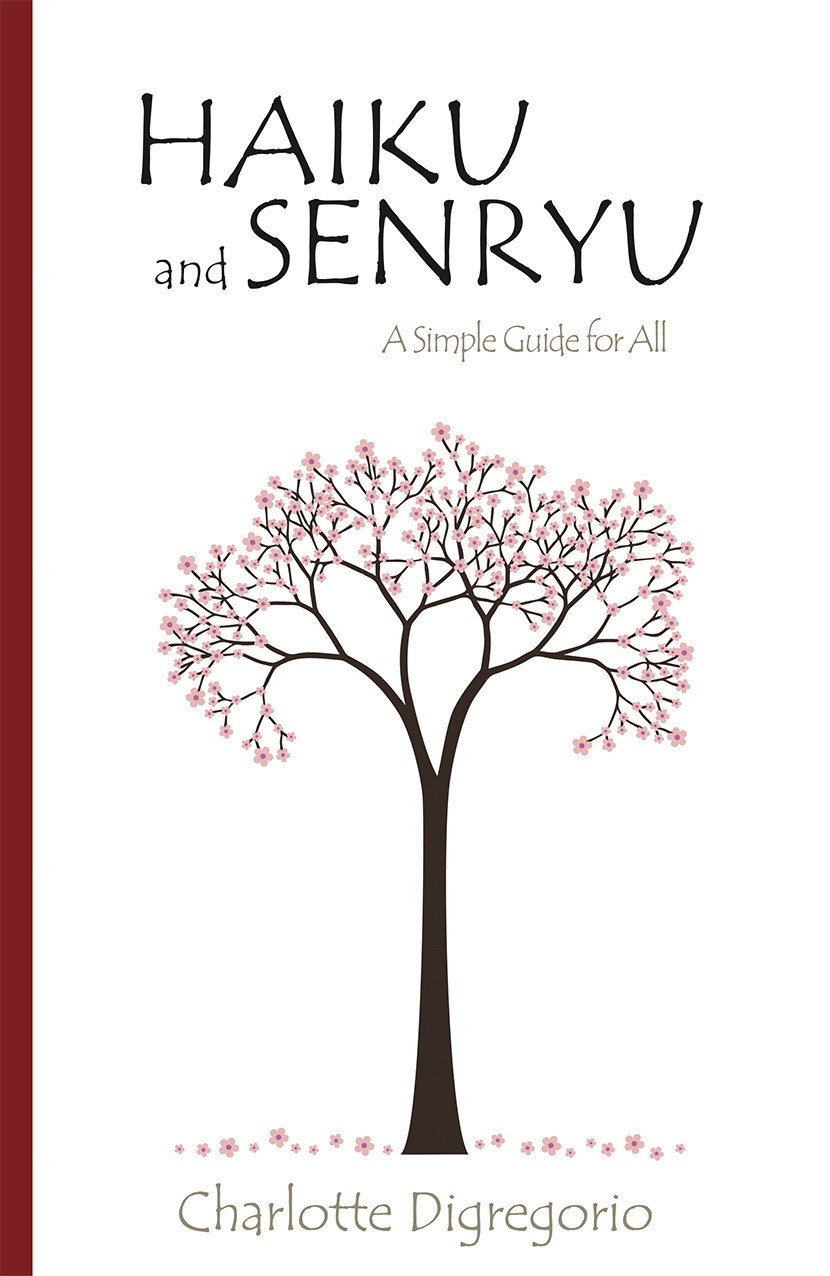
Haiku and Senryu: A Simple Guide for All has launched the careers of thousands of haiku poets, and aided teachers! If you write haiku and senryu, you’re most likely serious about getting them published and improving your skills. You need to write the best poems you’re capable of. And, if you’d like to teach haiku and senryu at any level, to adults and students alike, you’ll need guidance. Having the right tools are essential!
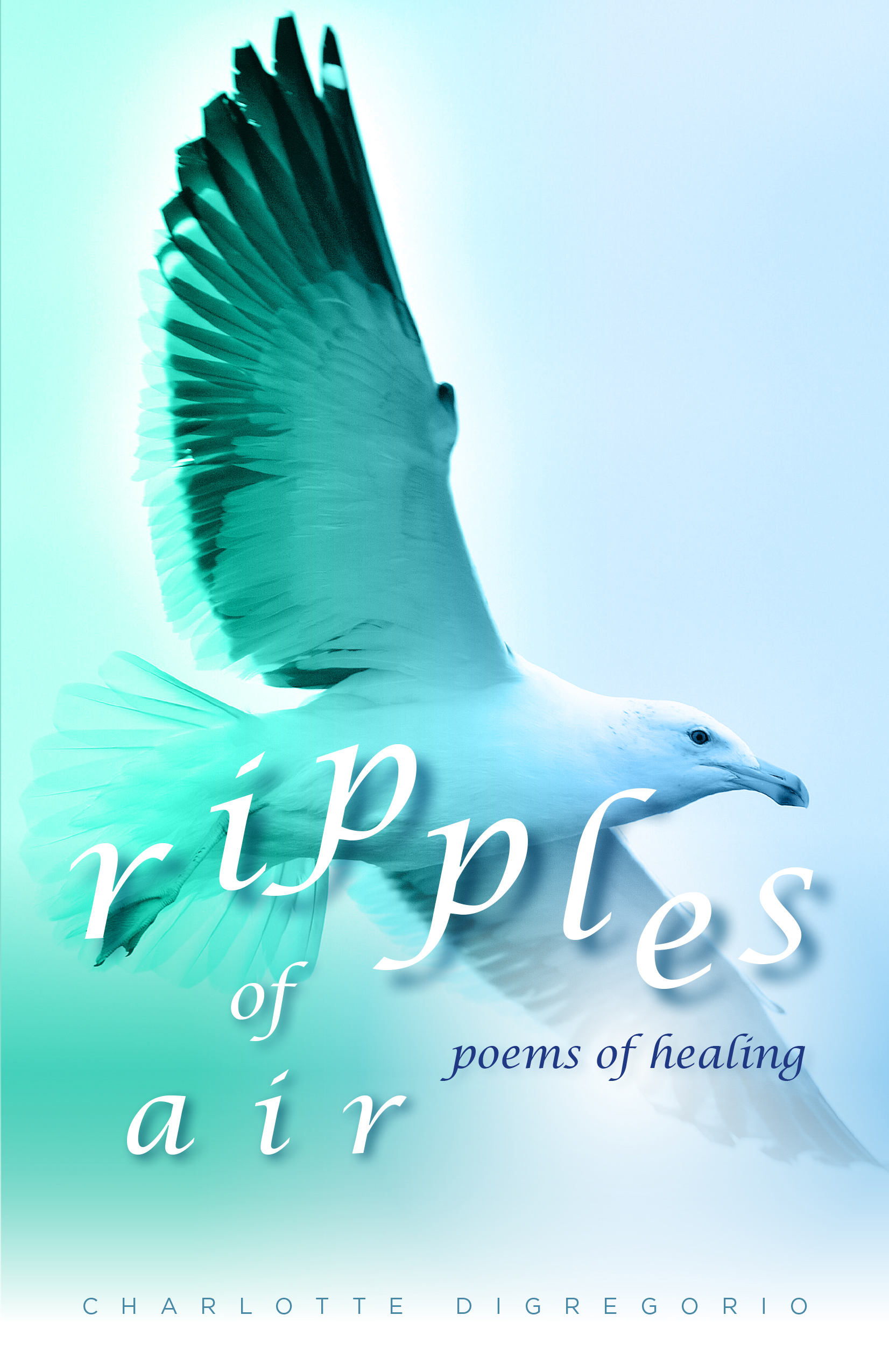
Ripples of Air: Poems of Healing: “A wonderful, universal book and a great gift for all adults and teens. It beckons us to write in order to heal. It should be in every therapist’s office. The author gives us the tools and encourages us to write the lyrics of our own lives. It’s soothing and revealing. We are taken down the paths of nostalgia, and through the stages of our lives, the seasons in nature, matters of the heart, our work, our art, and the beauty that can be found in solitude.”
~ Rita Yager, Award-Winning Poet
Reach us at: c-books@hotmail.com with ordering questions.
If you buy from the author, each book retails for $19.95. (Shipping to one U.S. address is $4 for one or two books.) As an alternative, please see instructions at the end of this post for purchasing through our trusted ebay distributor in Winnetka, IL.
Below are just some of the outstanding reviews of both books:
Thanks to all who’ve taken the time to read all seven of my books and to comment through the years. It’s much appreciated. And thank you for reading this blog that continues to gain in popularity worldwide with global poets – from 61 countries!
Keep writing with resolve to get more published. Most of all, don’t hide in the shadows with your work! Get your work published in respectable journals. You can, with the confidence these books will give you.
Best Wishes,
Charlotte Digregorio
Note: Charlotte Digregorio is a retired Writing and Foreign Language Professor, winner of 81 poetry awards, and a four-time nominee for Pushcart Prizes. She has more than 1,000 poems in print and writes/publishes 16 poetic forms. Digregorio has organized poetry conferences throughout the country, and speaks and gives workshops at national conferences. Her popular solo exhibits of healing poetry/art are featured at libraries, corporate buildings, hospitals, galleries, and park districts, among other venues.
Haiku and Senryu: A Simple Guide for All (232 pages)
This is the book that has launched the success of thousands of haiku/senryu poets and teachers. It teaches the nuts and bolts of writing and publishing haiku/senryu, and offers effective methods of teaching classes and workshops.
Read these fabulous reviews by acclaimed authors and haikuists, and those appearing in significant journals!
An altogether brilliant work that must be read by anyone with so much as a passing interest in haiku. Charlotte Digregorio has penned a masterpiece! She has written the definitive guide to one of poetry’s most fascinating genres. This work belongs on the bookshelf of any poet who is serious about writing the kind of haiku that editors want to publish.
-– John J. Dunphy, Author and Poet, Touching Each Tree
This book is overall the best one out there on the subject. The amount of information is extraordinary and exceeds that found in any other book. In particular, the commentaries on selected poems are very good, intelligent, and sensitive, and really place keys into the hands of readers for unlocking the mysteries and joys of haiku literature–from its roots in Japan to its present robust evolution in English and other languages.
-– Michael McClintock, Award-Winning Author/Editor of Haiku & Tanka
Former President of The Tanka Society of America
If a book about haiku inspires the reader to create haiku, then Charlotte Digregorio’s haiku and senryu guide has done its job bountifully. Digregorio calls this “A Simple Guide for All” and she isn’t kidding. Her basic instruction simplifies the process of writing haiku without sacrificing the beauty and the pleasure that are essential. The examples of well-known haikuists shimmer with perfection! If you are interested in pursuing this lovely, subtle art form, THIS is the guide you need. Fantastic guide! I can’t believe how much I learned.
-– Robin Stratton, Editor, Boston Literary Magazine
Haiku and Senryu: A Simple Guide for All is exactly what it says it is: a way into the reading, writing and publishing of the world’s favorite genre. Premised on the idea that one doesn’t need to be a professional poet to enjoy it, Haiku and Senryu will inform you on why poets and non-poets alike love the genre; how to read them for maximum enjoyment; where they came from; how to organize them; and how to get them into print and other people’s heads. Whether a newbie or a seasoned veteran, you’re sure to come away with a deeper appreciation of the genre. And it’s also a considerable anthology of some of the best English-language haiku to be found.
– Jim Kacian, Founder, The Haiku Foundation
A strong overview of haiku. A wealth of material on how to introduce and teach haiku to children, college students, and interested adults. For busy teachers, the material will make it easier to provide guidance to their students. Any teacher would be thrilled for the helpful guidance, examples, and tools for presenting the form to the next generation. The pain and work involved in creating one’s own lesson plans is gone with the author’s well-honed presentations.
The bibliography also contains a wealth of material. Buy a copy for teachers, students, or interested poets and just tell them to read it. This volume will not steer them wrong, and gives any reader something with meat to hang their hat on while they discover or further explore haiku. It will remain on my shelf.
– Mike Rehling, Book Reviewer, United Haiku and Tanka Society
Marvelous book! Marvelous insight. I truly enjoyed this book, being wonderfully surprised by the new information I didn’t know. The chapter on teaching haiku was especially great, since I’ve taught it, but by a different method. And, Charlotte Digregorio’s haiku often evoke a chuckle of wry recognition or stop you dead in your tracks from awe. She seems well acquainted with the quotidian’s variety of her days, from homeless folk, to nature’s evocation and to loss and sorrow.
–– Donna Bauerly, Professor Emeritus, Loras College
An energetic and comprehensive guide by a prolific writer and educator with insightful perspectives and a generous sampling of published haiku and senryu. This practical guide is delivered in a relaxed, conversational tone so that the lessons and examples are informative and easily accessible. Extensive appendices and bibliography.
– Frogpond, Journal of the Haiku Society of America
This book will hook the beginning reader and leave them wanting more. The book demystifies the genre. It offers haiku that are accessible and doable. The “Getting Published” section offers some good tips on submitting to and building a relationship with editors. The large reference section with bibliography of educational books, anthologies, collections, journals, and websites will be of great value to beginning readers.
– Paul Miller, Editor of Modern Haiku
I honor the work Charlotte Digregorio has done on behalf of English-language haiku in Haiku and Senryu: A Simple Guide for All. She has a gift for writing clearly, concentrating on what matters beyond passing controversy. As for her own fresh and gritty poems, Digregorio has the courage to face the truth about love, loss, aging, birth/death and the upside down nature of life—the full catastrophe. Expect to be challenged and invigorated.
– Dr. Robert Epstein, Psychologist
Author, Checkout Time is Noon: Death Awareness Haiku
A couple of the many sterling qualities of Charlotte Digregorio’s haiku include perceptive observance of natural phenomena and penetrating insights into human nature, frequently with a delightful, wry humor in the latter category, along with deep compassion in others.
– Robert Spiess, Former Editor of Modern Haiku
Anyone can benefit from this book’s simple, clear advice. Digregorio offers time-tested, yet fresh and flexible pedagogy–actual lesson plans for those who wish to teach haiku. Intermediate and advanced practitioners will benefit from reminders of simple concepts long forgotten or never learned. We are given new ways to think about the poetry we read.
– Speed Bump Journal
Offers excellent advice on haiku writing. It’s a great book and has helped many of us in
our haiku journey, and doubtless will for many years to come.
– Andy McLellan, UK Poet and Author, birth/stones: Selected Haiku and Haibun
Ripples of Air: Poems of Healing (236 pages)
Terrific reviews below:
Ripples of Air: Poems of Healing, a reference book, will inspire you to put your thoughts on paper and write expressive long and short poetry including 14 forms: poems such as cinquain, etheree, acrostic, sonnet, free verse, limerick, and the Japanese forms of tanka, haibun, haiku and senryu sequences, among others. Everyone needs healing. Writing poems about your hardships and struggles often helps to alleviate life’s pain and hurt.
Benjamin Franklin Awards (2021): Independent Book Publishers Association
Life in all its aspects flows through Charlotte Digregorio’s buoyant poetry collection. For its healing and inspirational qualities, this is a book to keep and reread frequently. It inspires enhanced living and writing. Excellent!
– Judge #1
This book is a very easy and pleasurable read. I read every poem with delight in about six days. (236 pages). There are lines in the poetry that if they were fireworks would light up the night sky. This book is that good. The introduction is a marvelous bit of writing, explaining the author’s view on poetry, and about the title’s meaning. All through the book, when each new section is about to unfold, there is a prose explanation of what one is about to encounter. These preludes to the sections are one of the best features of the book.
– Judge #2
—————————–
Ripples of Air: Poems of Healing comes when healing is in even greater demand than usual. In this book, we not only get a well-written poetry collection that promotes healing, but a how-to guide for writing poetry that aids healing. As I read it, I often paused to implement Digregorio’s suggestions, jotting down poems of my own, and filled several pages. The author is particularly well known as an authority on the Japanese forms of haiku and senryu, and many of the poems in this book follow them. Others are in free verse and a dozen other forms. The collection is structured into sections containing poems about various subjects you can consider writing about. Each section is introduced by a page of prose that includes the author’s sage comments on why the subject is relevant and how the poems influence healing. The poems and writing advice are clear, accessible, and beautifully lyrical. Her point is: look, you can do this. I highly recommend this book.
– Richard Allen Taylor, Author of Armed and Luminous
Book Reviewer, The Main Street Rag
I highly, highly recommend this book! I read a lot of how-to-write poetry books, but this is unique because it shows would-be poets like me the “why” of writing poems. For those who want to write the best poetry we are capable of, this collection encourages us to look for and create beauty, strength, and healing. Many times during the reading of this book, I put it down and wrote a few lines of my own. I read several of Digregorio’s poems out loud, luxuriating in the evocative language and the emotional effect it had on me. Her haiku is particularly inspiring and she is a master at it. I love this book. It’s not just a collection of poems, but thoughtful essays about how poetry can heal. There are a lot of lines I would like to quote (or pretend I came up with). I love the imagery.
– Robin Stratton, Editor, Boston Literary Magazine
This book is different from any poetry book I have reviewed. We need this book! Who among us has not needed healing? Who among us has not spent time in the cave of despair? Who among us has not needed an outlet for anger or loss? This is great poetry, mature craftsmanship, written in an accessible style for all to savor. It’s easy to apply these poems to daily life. A professional observer, Digregorio sees and feels everything more deeply. She reveals her sensitivity to the human condition. The volume contains something for everyone: from compact oriental forms, to superbly-crafted sonnets, to the little known etheree, to fun forms such as acrostics and limericks, free verse and more.
Exhaustive Appendices: More than a collection of poetry, the author offers practical, hands-on support for beginning and experienced writers. As poets, we also need to promote and sell our poetry, our books, and the author helps get us off the sidelines and into the promotional game. Treasures to be unearthed include multiple lists of publications that publish poetry; ideas for general print/broadcast media that feature poets; and ideas on types of associations, organizations, and businesses that promote poets through awards, interviews, readings, speaking venues, workshops engagements, and exhibitions of their work. This book has given me a real education.
– Michael Escoubas, Editor, Quill and Parchment
Digregorio’s poetry is healing, gets you through tough times, and saves lives. In reading it, we find an encouraging and peaceful way to live. Nuanced by childhood memories of oceans and jagged monoliths, of black bear and elk, she shares through reflection and meditation, poems with a spaciousness that speak of acceptance and gratitude for what is. She is like the sculptor in one of her poems, “creating equilibrium and harmony.” She reaches out and invites the reader to join her in solitude, share thoughts, and observations. Ultimately, there is a sense of community, of knowing we aren’t alone. There’s an exuberance of life here that cannot help but touch you. It is a book you can go back to time and time again.
– Mary Jo Balistreri, Poet and Author, Still
Fascinating tome–the perfect fit for this time in history. Soothing and peaceful. The author balances different poetic forms that contribute to a melodic, musical timbre. I marked many pages as my favorite poems–far too many to list here. Gorgeous words describing the natural world and her insightful memories in the “Nostalgia” section. Her poems wend their way through the maze of life events and experiences, healing in their warm, lyrical beauty.
– The Rockford Review, Sally Hewitt, Editor
The bumper sticker on my car reads: “Nature: Cheaper than Therapy.” As an adjunct to nature’s treatment plan, I would prescribe Charlotte Digregorio’s Ripples of Air: Poems of Healing. Her imagistic poems wind through diverse relational and emotional terrain, and never lose touch with the natural healing qualities of acceptance, wonder, gratitude, and harmony.
– Mike Stinson, Psychotherapist, Poet & Author, extra innings
What a treasure and a wonder from a mightily accomplished author. I always turn to this book with anticipation and peace in my heart, looking forward to the author’s life insights. A ponderous book. I am giving it the daily reading that the inspiring poems call out for, a page or two a day with meditative thought for the author’s many layered gifts of creativity. I love the titles of the multi-themed chapters. I am delving into this clear pond of healing, the book’s healing messages.
– Donna Bauerly, Professor Emeritus, Loras College
An affecting collection. Charlotte Digregorio finds lyricism in solitude, finds reason to celebrate and transform into art the trifles in our gritty lives. These are poems of great skill, poems with a generous heart by a writer who cherishes the luminous particulars of every moment.
– Marsh Muirhead, Poet and Author of last night of the carnival
Award-winning poet Charlotte Digregorio offers readers an array of poems that delve deeply into the external, her Midwest surroundings, and the internal, the nature of her creativity. Digregorio’s delectable collection is one to be savored again and again.
– Roberta Beary, Poet and Author of The Unworn Necklace
The poems of Charlotte Digregorio possess a clarity of vision one seldom finds in contemporary verse. The images she creates are vibrant and alive. We Baby Boomers identify with her all too well.
– John J. Dunphy, Poet and Author of Touching Each Tree
We are blessed with this work! This is a comforting, much appreciated companion in these difficult times. The book responds to so many of the themes and issues that are central to my life experience. It sustains, and I am thankful. I hope this book makes its way to many people in these sad times. It provides shade from the glare of events.
– David Eyre, Educator and Author, the nothing that is
Charlotte Digregorio has the all-too-uncommon ability to put the reader in the poet’s place. One does not read, so much as experience her poems. Closing my eyes, many of these poems could have been memories from my own past. These very personal poems become personal to the reader. The poet uses words as her brush, and all senses are stimulated.
– Ignatius Fay, Poet and Co-Author of Breccia
This is a self-help book that is the pathway to finding peace. The author’s healing poems speak to us and are especially timely now.
– Winnetka-Kenilworth Living magazine (Illinois)
This elegantly designed book offers readers an eclectic mix of poetry styles to suit any and every mood. Here, you may find your senses soothed, or stimulated by the natural world. There, you might find yourself immersed in memories, or daydreams about the future. This writer has walked in our shoes, and her words entice us to take the first steps along the poetic path to healing.
– Debbie Strange, Canadian Poet and Author of The Language of Loss
“Ripples of Air: Poems of Healing” is a book worth reading, appreciating, and immersing yourself in, like sacred Ganges water. Quite simply, through the author’s glorious poems and prose, the latter introducing each new section in this book, we understand that “poetry heals.” It’s a mantra Digregorio lives by, and strives admirably to pass along to those she helps, inspires, and mentors, and to communicate to audiences empathetically and instructively when she performs in public places.
Digregorio’s many poetic forms throughout “Ripples of Air: Poems of Healing,” including sonnets, cinquains, free verse, tanka, and haibun, are absolute achievements of artistry worth learning from. I highly recommend your reading “Ripples of Air: Poems of Healing” at your soonest opportunity, and also buying it as a gift.
– Jerome Berglund, Author and Award-Winning Poet
Charlotte Digregorio is a much-published and much-honored poet. The approaches to writing she shares in this collection prove useful for those who seek inspiration and for those who give writing workshops.
– Maxianne Berger, Book Review Coordinator, Haiku Canada Review
Your alternative to purchasing these books domestically and internationally, is to order each from our reliable Winnetka, IL (USA) ebay distributor:
walking up
to receive my diploma
the baby kicksby Sari Grandstaff (USA)
Haiku Dialogue, Nov. 30, 2022
The Haiku Foundation
cremation?
I’d rather
burn in hell
by Robert Epstein (USA)
Modern Haiku, Vol. 41.3, Autumn 2010
open casket
the salesman encourages
a closer look
by Robert Epstein (USA)
Mariposa, 24, Spring/Summer 2011
to whom do I tell
the unabridged version?
spring longing
by Susan Antolin (USA)
Mariposa, 24, Spring/Summer 2011
easter brunchhis daughter’s haira new shade of pinkby Roberta Beary (USA)Modern Haiku, Vol. 38. 3, Autumn 2007
 | hassanouhassanou on Daily Haiku: April 26, 20… |
| hassanouhassanou on Daily Haiku: May 11, 2024 |
 | Charlotte Digregorio on Daily Haiku: May 6, 2024 |
| Charlotte Digregorio on Daily Haiku: May 7, 2024 |
| Charlotte Digregorio on Daily Haiku: May 8, 2024 |
 Charlotte Digregorio's Writer's Blog